Photography Logo Review: A Designer’s Take on Real-World Use
As an embroidery designer who regularly tests digital files for real-world applications, I approach each new embroidery file with a critical eye. The Photography Logo is no exception. It's not just about whether the design looks good in theory—it needs to translate well into actual stitch work, especially when used across different projects and fabrics. Here's my honest evaluation of how this logo performs in practical settings.
First Impressions: Mood and Visual Personality
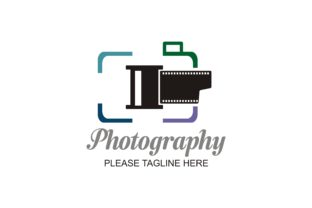
The Photography Logo immediately gives off a professional yet artistic vibe. Its clean lines and subtle curves suggest a modern aesthetic that appeals to creatives—especially those in the photography industry or related niches like videography, wedding services, or boutique studios. The layout feels balanced and centered, which is important for any machine embroidery design, as it helps maintain symmetry when stitched onto fabric.
What stands out most is the level of detail. While it’s not overly complex, there are enough intricate elements to make it feel custom without overwhelming the viewer. This makes it ideal for use in both high-end and casual handmade products. The theme leans toward minimalism, but still retains enough character to be memorable. It's the kind of logo that whispers "quality" rather than shouting it—which can be a big plus in branding.
Real-Life Embroidery Projects: Where Does It Shine?
I tested the Photography Logo on a few common items to see how it would hold up in everyday use. One of the best results came from using it on a tote bag design. The size was appropriate, the colors were vibrant, and the overall look felt polished. For an Etsy seller or small shop owner looking to create branded merchandise, this could be a strong choice.
It also worked surprisingly well on a sweatshirt embroidery project. The soft edges of the logo blended nicely with the texture of the cotton-blend fabric, and the stitching held up after washing. This suggests it could be suitable for commercial embroidery as part of a product line for boutique wearables or personalized gifts.
Another solid application was on an embroidered patch meant for denim jackets or camera bags. The structure of the design allowed for clear outlines and a consistent fill pattern. When stitched properly with stabilizer, it looked crisp and durable—perfect for someone who wants to add a touch of professionalism to their handmade accessories.
Where It Works Best:
- Custom apparel like sweatshirts, t-shirts, and baby clothes
- Tote bags and aprons for craft businesses or Etsy sellers
- Decorative pillow covers and tea towels in home décor collections
- Holiday gifts and personalized items for gift shops or makerspaces
- Printable mockups or digital product previews for online stores
Use with Caution: Design Limitations
While the Photography Logo has many strengths, it does have some limitations depending on the project. For example, if you're working with small hoop sizes, the design might get compressed too much, making fine details hard to see. Similarly, when applied to textured or stretchy fabrics, the stitching may lose its intended shape or clarity.
On dark backgrounds, the contrast between thread colors can become less effective unless carefully planned. I recommend always testing the embroidery file on scrap fabric before committing to a final piece. This is especially true when considering commercial embroidery projects where consistency across multiple units is key.
Also, the logo isn’t suited for surfaces that are curved or uneven, such as caps or hats. If you plan to use it on such items, you’ll need to adjust the placement and possibly scale it down to avoid distortion. Dense stitch areas should be monitored closely to prevent puckering, particularly on thinner materials.
Challenges to Watch For:
- Small hoop sizes may compress fine details
- Textured or stretchy fabrics can affect stitch clarity
- Dark fabric backgrounds may require more attention to thread color contrast
- Curved or uneven surfaces like caps may distort the design
- Dense stitch areas could lead to puckering on thin material
Visual Appeal and Branding Impact
The Photography Logo brings a sense of sophistication and creativity to any project it's embroidered onto. Whether it's a personalized gift or a craft business item, the visual appeal is undeniable. The logo adds value by giving the finished product a cohesive, professional look that customers will notice and appreciate.
From a branding perspective, the logo contributes to customer trust and recognition. It's versatile enough to be used across a range of products—tote bags, patches, aprons—and maintains a consistent identity. That’s crucial for anyone building a brand around handmade or personalized items. The design doesn't scream loud, but it definitely commands attention in a refined way.
In terms of buyer engagement, the Photography Logo works well in both digital and physical formats. As an Embroidery File, it can be previewed easily using printable mockups or added to listings as part of your design assets. This flexibility is a major win for Etsy sellers and creative entrepreneurs who want to showcase their offerings clearly and professionally.
Designer Notes: Practical Tips for Embroidery Success
Before diving into production, here are a few things I recommend every embroiderer check when using the Photography Logo:
- Test on scrap fabric: Especially if you're using it for a commercial run or something delicate like baby clothes.
- Review stitch density: High-density areas may need extra stabilizer or adjustments for certain fabrics.
- Confirm hoop size: Since the file includes several formats (like EPS, AI, SVG), you can resize, but keep in mind that smaller hoops may reduce detail quality.
- Inspect small details: Look at corners, lettering, and decorative accents under magnification to ensure they translate well into stitches.
- Check thread color contrast: Especially on dark fabrics—consider using white or metallic threads for better visibility.
- Use proper stabilizer: Backing and topping stabilizers can help maintain shape and reduce distortion.
- Test in black and white: To evaluate how the design reads without color, useful for grayscale prints or monochrome embroidery.
- Compare light and dark fabric backgrounds: This ensures the design remains legible and visually appealing regardless of the base material.
- Confirm licensing: Before selling finished items or digital products, verify whether the embroidery file allows for commercial use.
Final Thoughts: A Reliable Design Asset
The Photography Logo is a well-crafted machine embroidery design that fits naturally into a variety of embroidery projects. From satin stitch outlines to fill stitch interiors, it offers a balance between simplicity and depth that can enhance both personal and commercial products.
Its versatility makes it a great addition to any craft business’s design library, especially for those targeting niche markets like photography enthusiasts, boutique owners, or handmade gift creators. However, due to its moderate detail level, it’s best reserved for medium to large embroidery areas and smooth, stable fabrics.
If you’re an Etsy seller, hobbyist, or small shop owner, this logo could elevate your finished product and contribute to a stronger brand identity. Just remember to test thoroughly, consider fabric type, and always double-check licensing terms before moving into sales or production.