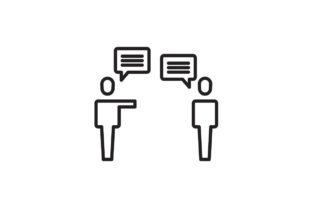
Negotiation Embroidery Design
First Impressions of Negotiation
The Negotiation design immediately catches the eye with its clean, modern aesthetic. The icon-style layout suggests a minimalist approach, making it ideal for embroidery projects that prioritize simplicity and clarity. The design’s theme is subtle yet powerful, evoking a sense of professionalism and precision. It feels like a perfect fit for custom apparel, embroidered patches, or digital product previews where visual impact matters without overwhelming the viewer.
The shape and layout are well-balanced, with enough detail to stand out but not so much that it becomes difficult to stitch. The overall mood is calm and composed, which makes it suitable for a wide range of applications—from business branding to personal gifts.
Real-Life Use Case: Custom Tote Bag
Imagine you're working on a custom tote bag for a client who wants something both stylish and functional. Negotiation could be an excellent choice for the front panel. Its simple lines and clear structure make it easy to adapt to different fabric types and hoop sizes. Whether the client prefers a bold statement or a subtle touch, this design offers flexibility.
When stitched onto a cotton tote, the design maintains its integrity, with each line and curve clearly defined. The use of satin stitch and fill stitch ensures that the details remain sharp, even after multiple washes. For a small business owner or Etsy seller, this kind of reliability is essential when creating handmade products that customers will cherish.
Performance in Different Embroidery Projects
Negotiation works well across a variety of embroidery projects. On sweatshirts and t-shirts, it adds a professional touch without being too flashy. For baby items, the clean lines make it a safe and appealing choice, especially if the design is used as part of a nursery decor set or a personalized onesie.
As an applique design, Negotiation can be layered with other elements to create depth and dimension. It also translates well into embroidered patches, where the detail remains visible even at smaller sizes. When used on caps or hats, the design holds up well on curved surfaces, provided the hoop size and stabilizer are properly managed.
In holiday or wedding-themed projects, Negotiation can serve as a subtle accent, adding a touch of sophistication without overpowering the overall look. For commercial embroidery projects, its simplicity makes it easy to scale and adapt to different brand guidelines.
Where to Use with Caution
While Negotiation is versatile, there are some situations where it may not perform as well. On small hoop sizes, the design might lose some of its finer details, especially if the stitching is dense. Textured fabrics or thin, stretchy materials could cause the stitches to pull or distort, so testing on scrap fabric is always recommended.
On dark fabrics, the contrast between the thread colors and the background becomes crucial. If the design is meant to be visible on black or navy, choosing the right thread color is essential. Similarly, on layered garments or curved surfaces like caps, careful attention to hoop placement and stabilizer use can prevent shifting or puckering.
Detailed corners and tiny lettering may require extra care during the stitching process. If the design includes intricate elements, it's worth checking how they translate in a black and white mockup before committing to a final project.
Impact on Visual Appeal and Customer Trust
Negotiation enhances the visual appeal of any project it’s used on. Its clean, modern style gives a polished look that appeals to a broad audience. For handmade products or personalized gifts, this kind of design helps build customer trust by signaling quality and attention to detail.
When used in a craft business or small shop product, Negotiation can elevate the perceived value of the finished item. Customers often associate well-designed embroidery with higher quality, which can lead to better sales and repeat business. For Etsy sellers or boutique brands, this kind of design asset can be a valuable addition to their product lineup.
Practical Designer Notes
Before using Negotiation in your next project, test it on scrap fabric to see how it looks in real life. Check the thread color contrast against different fabric backgrounds, and review the stitch density to ensure it’s appropriate for your chosen material.
Confirm the hoop size required for the design and make sure your machine can accommodate it. Inspect small details closely, especially if the design includes fine lines or intricate patterns. Test it in black and white mockups to get a better idea of how it will appear on different fabrics.
Use the proper stabilizer for your fabric type, and check whether the design works for both personal and commercial projects. Always confirm the licensing terms before selling finished items or digital products to avoid any legal issues.
Conclusion: A Versatile Design for Real Projects
Negotiation is a strong, practical embroidery design that fits well into a variety of real-world projects. Its clean, modern look makes it suitable for custom apparel, personalized gifts, and commercial embroidery work. With careful consideration of fabric type, hoop size, and stitch density, it can be a reliable addition to any designer’s toolkit.