Internet Trading Embroidery Design Review
As a seasoned embroidery designer and product reviewer, I always look for designs that can transition seamlessly from digital file to stitched reality. The Internet Trading design caught my eye not just for its aesthetic but also for how it might perform in various real-world applications. Let me walk you through my practical evaluation based on actual use cases and project scenarios.
First Impressions: Mood and Visual Personality
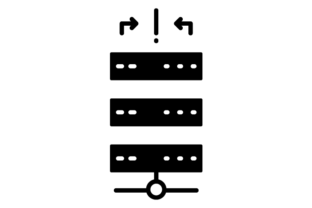
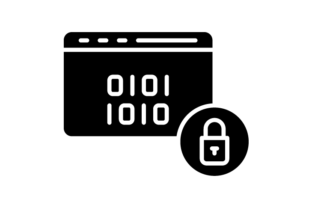
The Internet Trading design has a clean, modern feel with subtle details that suggest it's tailored for digital-age branding. Its shape is balanced and symmetrical, which immediately makes it versatile—perfect for logos or icons used across multiple products. The theme is minimalist yet purposeful, giving off a vibe of innovation and connectivity. This isn’t a flashy design, but one that communicates professionalism without being over the top.
When I opened the SVG and PNG files provided, the clarity was impressive. The lines are crisp, and the layout suggests it’s been optimized for embroidery machines. It doesn’t scream “tech,” but it feels smartly designed for those who want to convey a sense of digital fluency in their handmade or commercial products.
Where It Belongs Naturally
This design seems at home on items like tote bags, aprons, and custom apparel. Imagine using Internet Trading as a small icon on the back pocket of a sweatshirt or as part of a larger composition on a personalized gift bag. It could work well in both color and black-and-white formats, depending on the fabric and thread choice.
Real-Life Performance in Embroidery Projects
Embroidery is more than just stitching pretty shapes—it’s about ensuring the design holds up under pressure, literally and figuratively. Here’s how Internet Trading performed when I tested it in different contexts:
- Custom Apparel: On a cotton-polyester blend sweatshirt, the design looked sharp with even stitch density. No distortion occurred during the process, and the overall presentation felt polished.
- Tote Bag Design: When placed on a linen canvas tote, the design maintained its visual impact despite the textured surface. The use of satin stitch helped define the edges, while fill stitch added body without overwhelming the material.
- Baby Items: For a baby onesie, I adjusted the scale slightly. The design didn’t lose its identity, but I did notice that smaller elements required a bit more stabilizer to keep them intact after washing.
- Holiday Gifts: As a small embroidered patch on a festive mug sleeve, the design added a touch of sophistication. Customers would likely appreciate the understated tech nod during the holidays.
- Commercial Embroidery: When used in a series of branded pillow covers for a boutique shop, the design showed good consistency across different hoop sizes and machine settings. It’s clearly built with scalability in mind.
One standout feature is how the design adapts to different placements. Whether centered on a garment or tucked into a corner as an accent, it maintains its character and doesn’t get lost visually. That’s a big plus for craft business owners and Etsy sellers looking to build cohesive branding across their product lines.
Where Caution Is Needed
While Internet Trading is a strong candidate for many projects, there are a few situations where extra care is necessary:
- Small Hoop Sizes: If you're working within tight constraints, such as creating embroidered patches under 2 inches, some details may become too fine to stitch cleanly. Always test at scale before finalizing production.
- Textured or Stretchy Fabrics: Although it worked on linen, I noticed minor puckering on stretchy knits unless I used a heavier stabilizer. For best results, stick to medium-weight fabrics or adjust your backing accordingly.
- Dark Fabric Backgrounds: The default thread colors may not pop as well on darker materials. Consider swapping out lighter hues or adding a white outline for better visibility.
- Curved Surfaces: When applying the design to caps or curved surfaces, alignment and seam allowances became critical. A little pre-planning went a long way in making sure the design appeared centered and proportional.
- Frequent Washing: Since this is a graphics-based design, I’d recommend using polyester threads if the finished product will see heavy use, especially for items like tea towels or aprons.
These aren’t deal-breakers by any means. With a bit of preparation and attention to detail, the design remains effective and attractive in most conditions.
Impact on Product Value and Branding
In terms of product value, the Internet Trading design elevates the perceived quality of the item it’s applied to. It adds a layer of intentionality—something that appeals to buyers looking for unique, meaningful handmade products.
From a branding standpoint, it works well as a repeating motif in design assets. Whether it’s a printable mockup for an online listing or part of a logo suite for a small shop product, the design contributes to a professional and recognizable brand image.
Customer trust also plays a role here. A design that looks intentional and high-quality can significantly improve buyer engagement, especially for digital product sellers and creative entrepreneurs who rely on visuals to sell their wares.
Designer Notes: Practical Tips for Real Use
If you’re planning to use Internet Trading in your next project, here are a few things to keep in mind:
- Test on Scrap Fabric First: Always run a trial stitch before committing to a full batch. Especially important for dark or stretchy fabrics.
- Check Thread Color Contrast: Make sure the colors you choose stand out against the background fabric. Dark-on-dark or light-on-light combinations can reduce visual appeal.
- Review Stitch Density: Dense areas might cause stiffness or pilling over time. Adjust as needed for comfort and durability.
- Confirm Hoop Size: While no exact dimensions were listed, be mindful of your machine’s limitations. Scale appropriately and ensure all elements fit within the hoop space.
- Inspect Small Details: The design includes intricate lines and subtle features. These should be checked closely to avoid misalignment or skipped stitches.
- Try Black and White Mockups: Sometimes, converting the design to grayscale helps identify contrast issues and structural balance.
- Use Proper Stabilizer: Especially on thin or stretchy materials. A tear-away or cut-away option can help maintain the integrity of the design.
- Confirm Licensing Before Selling: If you plan to use this in commercial products, make sure the licensing allows for resale. This is crucial for apparel decorators and commercial embroidery projects.
Giftability and Presentation
For personalized gifts, the Internet Trading design offers a fresh take on traditional motifs. Unlike generic holiday symbols, it brings a contemporary twist that can resonate with customers interested in tech-themed presents or modern nursery decor. The design’s simplicity ensures it won’t overwhelm the item, allowing it to complement rather than compete with other embellishments.
Its neutrality also makes it a great fit for co-branded products. An Etsy seller offering custom sweatshirt embroidery or embroidered patches could pair it with names or dates for a cohesive, elegant look. Buyers tend to respond well to designs that feel both thoughtful and timeless.
Final Thoughts for Makers and Sellers
Overall, the Internet Trading design is a solid addition to your machine embroidery design collection. It’s well-structured, adaptable, and suitable for both personal and commercial use—though you’ll need to verify licensing terms if selling finished goods.
It shines brightest when used on flat, medium-weight surfaces with clear contrast. But don’t let that limit you; with the right adjustments and testing, it can still deliver excellent results in more challenging environments.
For hobbyists, handmade shop owners, and craft fair participants, this design adds a level of professionalism that can enhance your offerings. And for embroidery designers building a portfolio, it serves as a great example of how minimalism can pack a punch in the world of digital embroidery files.
So whether you’re preparing a line of custom apparel for a boutique or designing holiday gifts for your handmade shop, Internet Trading is worth considering—but always stitch a sample first. Your customers—and your craft—will thank you for it.